
Confidence Isn’t About Pushing Harder: Why Wholeness Is Enough
There is a cultural story many women in midlife know by heart. Be capable. Be organised. Hold everything together (or at least pretend to). Be successful at work (not too successful though). Be an attentive partner and parent. Look good while doing it. The silent expectation is to be a superwoman, a woman who never drops a ball or rarely shows it if she does. For years I operated inside this narrative, believing I could build my confidence by doing more things, being better (looking better) and pushing harder to feel good enough. Now I know that real confidence in midlife asks for something different. It asks for wholeness.
When perfectionism becomes a pattern
This drive for perfection or even just being “good enough” rarely appears out of nowhere. It usually begins in childhood. Some learnt that love arrived when we achieved or behaved a certain way. Others learnt to stay small to keep the peace or to earn approval through being helpful, polite or top of the class. Some (like me) learnt through the negative consequences of being none of these things. These early lessons not only shape the nervous system, but create our sense of self.
The striving to be better did serve a purpose. It helped us succeed, stay safe or be liked. Yet it also taught us to ignore our needs, override our bodies and critique ourselves relentlessly. Over time it becomes toxic, feeding anxiety, burnout and comparison. Instead of empowering us, it keeps us trapped.
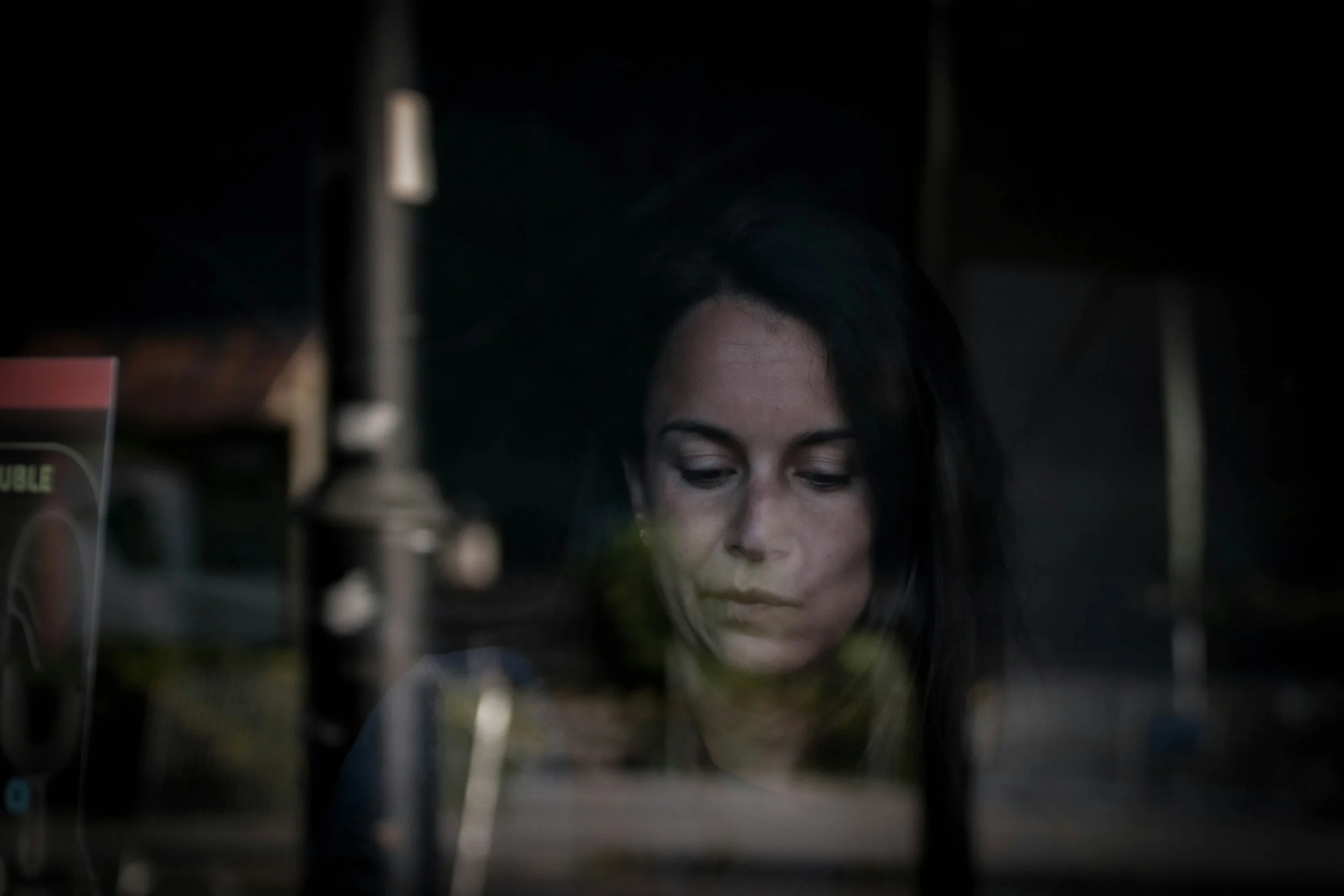
Image: Sergi Gomez
Wholeness feels different from perfection
Wholeness is not about “being the best version of ourselves”. It is about knowing, accepting and loving ALL parts of who we are. The strong part and the tired part. The joyful part and the grieving one. The woman who gets things done and the woman who needs rest. The woman who drops the balls.
When we move in the world from wholeness, confidence is no longer a performance. It is an inner state of grounded presence. We no longer chase approval to prove our value. We feel it from within. There is space to breathe, to create, to be human.
Why midlife is a turning point
Midlife has a way of pulling back the curtain. The strategies that drove us through our twenties and thirties begin to feel heavy. We start questioning who we are beyond our roles, achievements and responsibility. There is a longing for authenticity and ease. A desire for self acceptance rather than constant self improvement.
Empowerment in midlife is not about doing everything. It is about coming home to ourselves. Reclaiming the parts we buried. Speaking truth instead of pleasing. Asking what we need rather than rushing to meet everyone else’s.
How working somatically supports this transformation
Somatic practices work with the body as well as the mind. The body holds memories and protective habits created throughout our entire lifetime. Through awareness practices, breath and gentle exploration we learn to notice the subtle cues of stress and perfectionistic drive. Maybe the jaw clenches when we try to get it right. Maybe the chest tightens when we worry about letting others down.
Instead of pushing past these sensations, we learn to meet them with curiosity. We get to know the parts of us embodied in the armouring. The nervous system slowly learns that rest is safe, that mistakes are survivable and that we are enough without constant effort. Confidence emerges through integration, not performance.

Image: Caroline Veronez
A Final Thought
Confidence in midlife does not look like perfection. It looks like presence. It looks like boundaries, laughter, softness, truth. It looks like women loving themselves unconditionally.
Wholeness feels better than perfection because it is who we really are. It allows us to be fully alive, rather than endlessly striving. When we release the superwoman myth and embrace every part of who we are, we step into a power that is deeper, steadier and far more liberating.